Last Updated: 2026-08-31
Laser marking is a non-contact coding method that uses a focused laser beam to create permanent, high-resolution marks on metal, plastic, glass, and other surfaces. It requires no consumables, making it cost-effective for high-volume production lines.
The Short Answer
Four specs decide whether a machine earns its keep. The laser source is the heart, a rated
industrial fiber source is typically specified for 100,000 hours or more, so ask for the brand and rated
life, not just wattage. Power should match your parts: 20 watts suits light marking, 30–50 watts
covers most metal and plastic work, and higher power only pays off on deep engraving or faster line speeds.
Marking area and working distance decide what fits on the bed, and a galvo head with adjustable field size
keeps you flexible as jobs change. Software matters more than buyers expect, a clean driver, common
file imports, and batch controls turn a capable machine into a productive one.
In practice, the unit is judged the same way every production tool is: does the mark hold up through handling, storage, and the customer’s own checks? The pairing of the source with your material is the decision that matters most.
It also helps to remember what it is not: it is not a fix for unclear artwork or weak message design. The machine marks what it is told, so clean message files and a sensible test routine are part of the system, not extras.
What to Know in Practice
Routine care is mostly prevention. Keep the lens and protective window clean, a speck of residue
absorbs power and turns into a weak, uneven mark long before the source fails. Check focus and calibration
weekly on daily-running machines, and keep spare lenses and a spare source on the shelf if uptime matters.
Stable power and ventilation prevent most intermittent faults. Ask builders for service intervals and parts
lists before you buy, and confirm spares ship to your region. A machine that is easy to maintain stays
productive.
Whatever technology you settle on, budget for source life, cleaning supplies, and a spare parts kit if uptime matters. These small costs are the difference between a unit that runs for years and one blamed for every late batch.
About SHICAI
SHICAI runs a full laser line: fiber, CO₂, and UV systems for continuous production. The company ships to overseas production lines and warehouses, and specifies genuine rated laser sources so the machine runs to its rated life. Service and spares are arranged for export markets, and the technical team answers questions directly rather than through a reseller chain.
Related Questions About Laser Mark
- How long does a fiber laser source last?
- A rated industrial fiber source is commonly specified for 100,000 hours or more, which works out to years of two-shift operation.
- How much does laser mark cost?
- Pricing depends on the technology, print width or marking area, and integration you need. We do not quote a fixed figure here, contact our team for the latest quotation.
- How do I keep a laser mark running reliably?
- Follow the maintenance rhythm above: clean the optics, check source life on a schedule, and run a test mark at each shift start. Prevention beats repair.
Laser Mark Worth Looking At
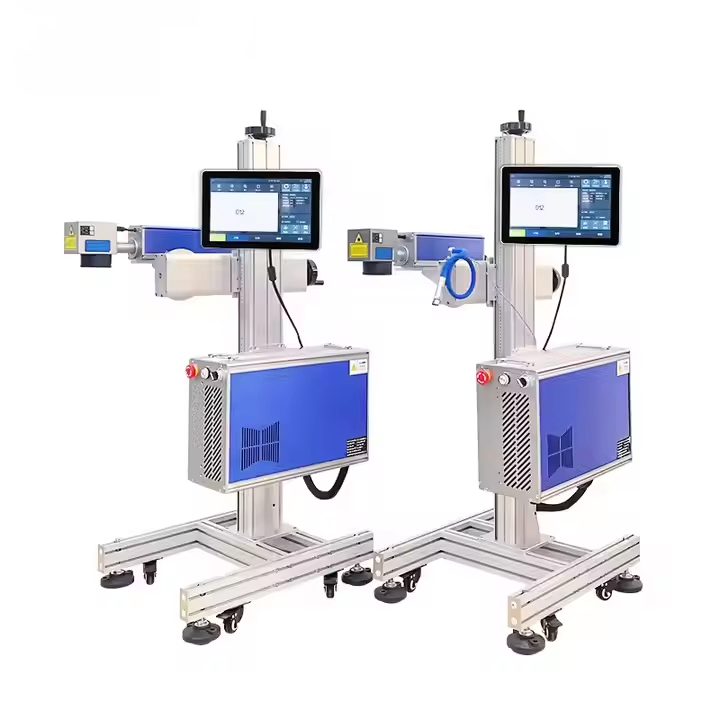
G-20 Fiber laser inkjet printer is built for this kind of work. Click the image to see the product page.
laser engraving technology See also: ISO 9001 quality management.
Related: SHICAI laser marking systems
Need help choosing the right printer?
Talk to our engineers for a free production-line assessment and quotation.
Request a Quote