Last Updated: 2026-09-06
Two machines, two handling steps, and a queue of bags between them. A sealing machine with printer closes the bag and prints the code in one pass, which removes a whole handling step from packing. Four benefits explain why plants switch.
The Short Answer
A sealing machine with printer, often called a seal-and-code unit, combines a heated sealing jaw or band with an inkjet printhead, so the bag is sealed and its date, batch, or lot code printed in the same operation. The four benefits:
One: one handling step instead of two, which cuts labor and the queue between stations. Two: the code is applied while the product is registered and stationary, so placement is consistent. Three: floor space drops, because one machine replaces a sealer plus a separate coding station. Four: fewer touch points means fewer opportunities to mark the wrong bag or skip one entirely.
| Material | Seal and code fit |
|---|---|
| PE and plastic bags | Excellent |
| Foil and laminated pouches | Excellent |
| Paper sacks | Use a separate coder |
| Rigid containers | Not applicable |
What to Know in Practice
Ink adhesion on sealed film is the thing to verify. Sealing heat can change the surface just above the seal, and inks that hold on raw film may behave differently there. Print a sample, let it cure, then rub and flex it the way packing and shipping will.
Keep the two functions maintainable independently. The sealing element and the printhead have different service intervals, and a unit that lets you clean or replace one without disturbing the other saves downtime. Ask about that access before buying, not after.
About SHICAI
SHICAI builds industrial coding and marking equipment across inkjet and laser lines, for production and warehouse use. Machines ship with genuine components and tested consumables, and service and spares are arranged for export markets. The technical team answers directly rather than through a reseller chain.
Related Questions
- Can a seal-and-code unit print variable data?
- Yes, integrated units print dates, batch numbers, and counters that change every bag, driven by the same controller that runs the seal cycle.
- Does the seal quality suffer when printing is added?
- Not when the unit is designed for both. The print station sits after or beside the sealing jaw, so dwell time and temperature stay where the seal needs them.
- Which materials work best?
- PE, foil, and laminated films are the classic applications, because they seal cleanly and accept fast-drying ink on the flat area above the seal.
A Model Worth Looking At
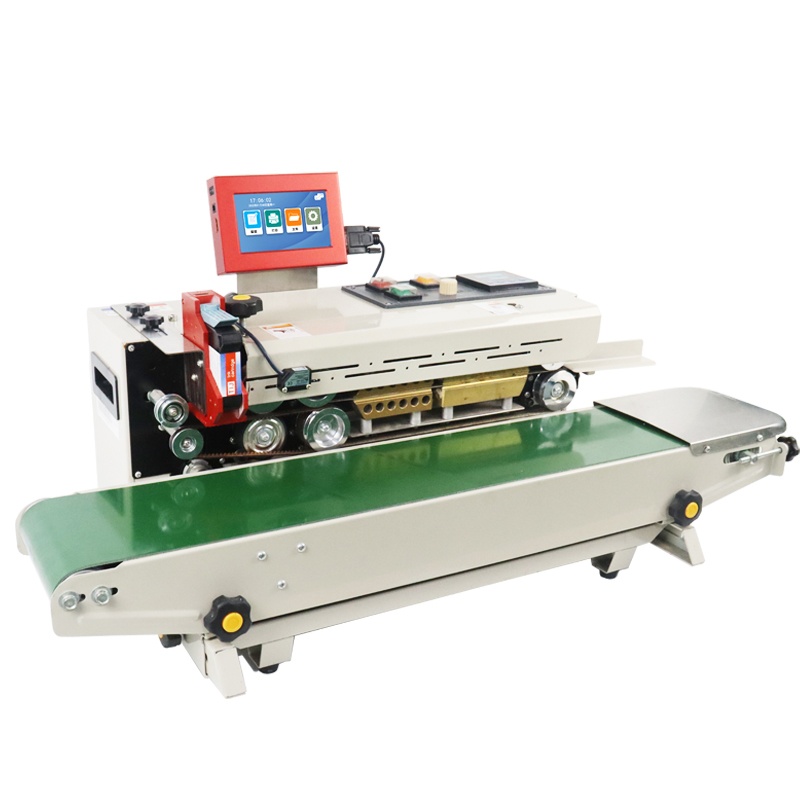
T110-K Sealing inkjet printer is built for this kind of work:
- 7 ink colors
- Marks carton, plastic, metal, wood and pipe
- USB/Bluetooth connectivity
Click the image to see the product page.
Learn more about inkjet printing and ISO 9001 quality management.
Next Steps
- Read related FAQ guides on coding and marking basics.
- See the T110-K Sealing inkjet printer for full specifications.
- Get a free sample print on your material. No commitment, reply within 24 hours.
Need help choosing the right printer?
Talk to our engineers for a free production-line assessment and quotation.
Request a Quote