Published 2026-09-02 · By the SHICAI technical team · Industrial marking & coding equipment guide
Last Updated: 2026-09-02
A coder that drops out mid-shift does not just stop printing; it stops the line behind it. Picking the right inline inkjet printer manufacturer is mostly about avoiding five sourcing mistakes that surface months after the invoice. This guide walks through each one and what to demand instead.
Why the Manufacturer Matters More Than the Machine
An inline inkjet printer is not a one-time purchase; it is a long-term relationship with the company that built it. The heads, the ink, the firmware, and the spares all come from the same source, so a weak manufacturer turns every future problem into a waiting game. The spec sheet tells you what the machine does today; the manufacturer decides what your line does in three years.
That is why experienced buyers vet the builder harder than they compare brochures. The five mistakes below recur in nearly every failed coding project.
5 Sourcing Mistakes That Cost You Later
1. Buying on brochure speed alone. Rated speed is measured on an easy substrate under ideal conditions. Ask what speed the machine holds on your material at your character height. A manufacturer who cannot answer with a sample run is asking you to absorb the risk.
2. Skipping substrate testing. Ink that dries in two seconds on kraft may smear for a minute on glossy film. Every reputable inline inkjet printer manufacturer runs free sample prints before you commit. Skipping that step is how lines end up with codes that rub off in the warehouse.
3. Ignoring consumable economics. The machine price is visible; the ink cost per thousand codes is not. Two printers at the same price can differ widely in running cost. Ask for consumption figures at your duty cycle, then do the math over a year.
4. No export support commitment. For overseas buyers the questions are concrete: Do spares ship to your region? What is the response channel? Is the documentation readable for your operators? Vague reassurance here is a red flag.
5. Unverified claims. “Factory direct” and “https://www.iso.org/iso-9001-quality-management.html certified” are easy words to write. Ask for the certificate scope, ask who actually builds the heads, and ask for references from lines like yours. A manufacturer with nothing to hide answers quickly.
A Vetting Checklist You Can Use Today
| Check | What good looks like |
|---|---|
| Sample prints | Run on your substrate, tested after your handling |
| Speed evidence | Stated for your material and code, not the brochure figure |
| Consumable cost | Ink cost per thousand codes at your duty cycle |
| Export support | Named spares channel and response times to your region |
| Claims verified | Certificate scope shown; references offered unprompted |
Print this table and take it into your next supplier call. A manufacturer who clears all five rows is worth a serious conversation; one who bristles at the list has answered a different question for you.
Where SHICAI Fits
SHICAI builds industrial coding and marking equipment and ships inline inkjet systems to production lines worldwide. The approach matches the checklist above: sample prints before purchase, stated consumption figures, spares and support organized for export markets, and a technical team that answers directly rather than through a reseller chain. The point of the checklist is not to favor any one builder; it is to make claims checkable, and SHICAI welcomes that scrutiny.
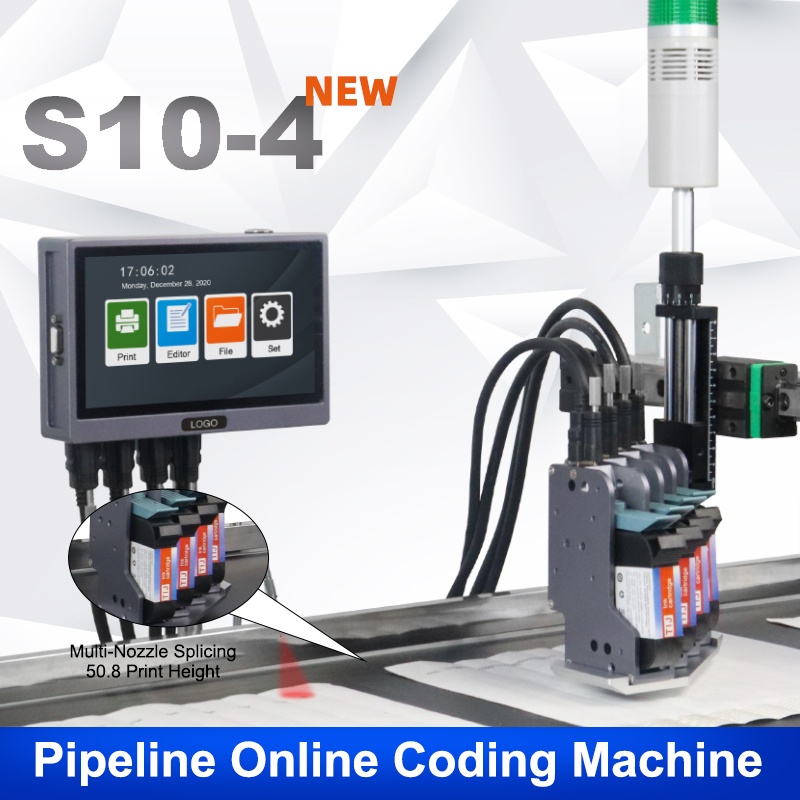
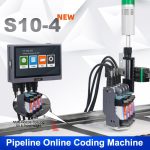
One model worth a look: S10-4 online inkjet printer (splicing)
A four-head inline unit built for conveyor lines that code cartons and cases on the fly, with mounting and trigger options that suit most existing conveyors.
Frequently asked questions
- Should I buy from the manufacturer or a local reseller?
- Both have a place. Buying from the manufacturer often lowers cost and speeds technical support, while a good local reseller earns a margin with on-site service. Weigh total support, not just the invoice.
- What line speed can an inline coder hold?
- Most inline inkjet coders hold clean codes at 40 to 100 meters per minute depending on character height and resolution; the honest answer is always specific to your code and substrate.
- How do I verify a manufacturer before paying?
- Ask for sample prints on your material, consumable consumption figures, the scope of any certificates, and export support details. Quick, specific answers are the signal you want.
Next Steps
- See the S10-4 splicing model for full specs and configuration options.
- Read related solution guides on coding and marking applications.
- Send your substrate for a free sample print. No commitment, reply within 24 hours.
Learn more about inkjet printing and ISO 9001 quality management.