Last Updated: 2026-10-05
A barcode printer order rarely goes wrong on the machine. It goes wrong on the terms around it. A barcode printer wholesale program is worth taking on only when the supply behind the quote can hold a line running: mixed models in one shipment, the ink grades your substrates actually need, firmware that carries your languages, and a spares path that does not depend on a courier arriving on time. That is the part of the conversation most buyers never get around to.
What Wholesale Covers and What It Does Not
Wholesale is a supply arrangement, not a specification. It describes how units are packaged, priced and shipped, and it says nothing by itself about whether the machine suits your substrate or whether the code survives the handling your customers apply. Two buyers can hold the same wholesale agreement and get opposite results because one of them printed on coated film and the other on kraft.
That separation matters when you read supplier material. A volume table proves the supplier can ship quantity. It does not prove the mark will pass the scan at the receiving end, which is why the machine questions and the commercial questions have to be answered in the same pass rather than in sequence.
Six Questions That Decide the Quote
Ask these before asking for a figure. The useful answer to each is a named component or a document, not a promise.
| Question | What a usable answer contains |
|---|---|
| What exactly is in the box? | Head count, sensor, encoder, cables and the ink pack size as part numbers |
| How is volume counted? | Whether mixed models accumulate toward one tier or each line needs its own quantity |
| Which ink grades ship with the units? | Grade per substrate you name, in the ratio you will consume them |
| What carries the languages? | Firmware version, character set and the label formats the machine stores |
| What happens in week nine? | Warranty scope, spares kit contents and the lead time on a replacement head |
| Which documents come with the shipment? | Declaration, test report and the marks the destination requires on the machine itself |
Volume, Mixed Models and the Real Minimum
Order quantity is the cheapest thing to negotiate and the easiest to get wrong. A tier that counts only identical units pushes buyers into a single model they cannot place with their own customers, while a tier that counts a mixed shipment lets a first order cover two technologies and a consumable range. Ask which rule applies before you size the order, because the difference is usually a pallet of the wrong machine rather than a discount.
The sensible opening is one unit of each candidate model, printed on your packaging rather than the supplier sample. A barcode printer wholesale order built on that test is a commercial decision; the same order built on a catalog image is a guess with a longer delivery time attached.
Firmware, Languages and Data Formats
Where a machine is resold rather than deployed by the buyer who assembled it, the software is the part that gets noticed late. Character set, keyboard layout, the number of label formats the machine stores and whether date fields follow local convention all belong to the unit you receive, and each is cheaper to settle before production than after. Importing a serial sequence from a spreadsheet is a different capability again from typing it at the panel, and the symbologies that carry that content are specified in the GS1 barcode standards.
Spares, Warranty and the Consumable Supply
A warranty is a document; downtime is a number. What protects the second is a spares kit that matches the failure modes of the first weeks, a head or mainboard that can be replaced without sending the machine abroad, and a consumable that stays in production after the opening order is consumed. Ask what the supplier stocks locally rather than what it lists, and put the answer in the order.
The Documents That Slow a Shipment
Customs paperwork, certification copies and the marks required on the machine itself are usually the last item on the agenda and the first item a receiving authority asks for. Agreeing who provides which document, in whose name and by when, belongs in the purchase order rather than in an email thread that starts when the container is already late.
Where SHICAI Sits in a Wholesale Program
SHICAI manufactures coding and marking equipment for export, including online units used by integrators and distributors who resell rather than run the machines themselves. That shapes what a barcode printer wholesale arrangement looks like here: substrate and ink grade are agreed against samples you send, mixed models are allowed within one shipment, and the documentation set is prepared for the destination rather than assembled afterwards. Builds are governed under ISO 9001 quality management.
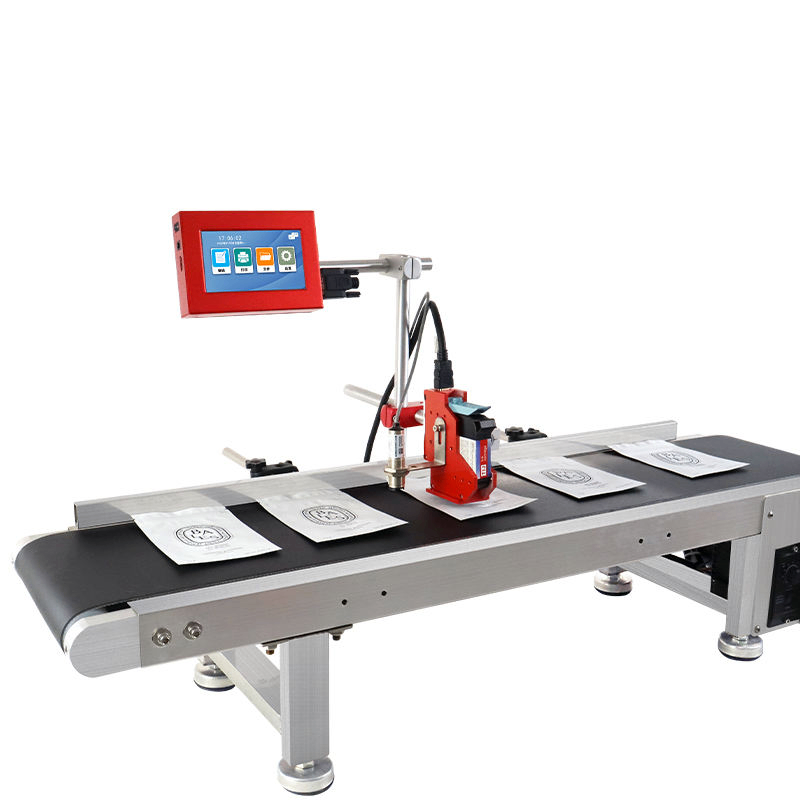
T110-Mini online inkjet printer
a compact inline unit for mixed-model orders:
- Prints up to 100 m/min
- 600DPI HD print accuracy
- 2-12.7mm print height
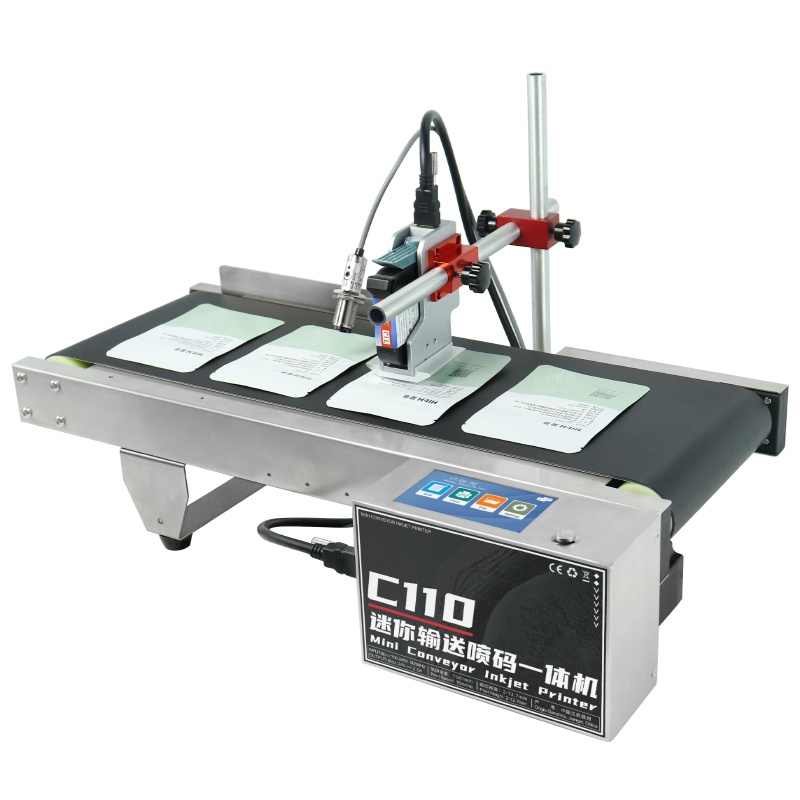
C110 Mini online inkjet printer
where two print heights are needed on one line:
- Prints up to 15m/min
- 2-12.7mm/2-25.4mm print height
- 2-5mm throw distance
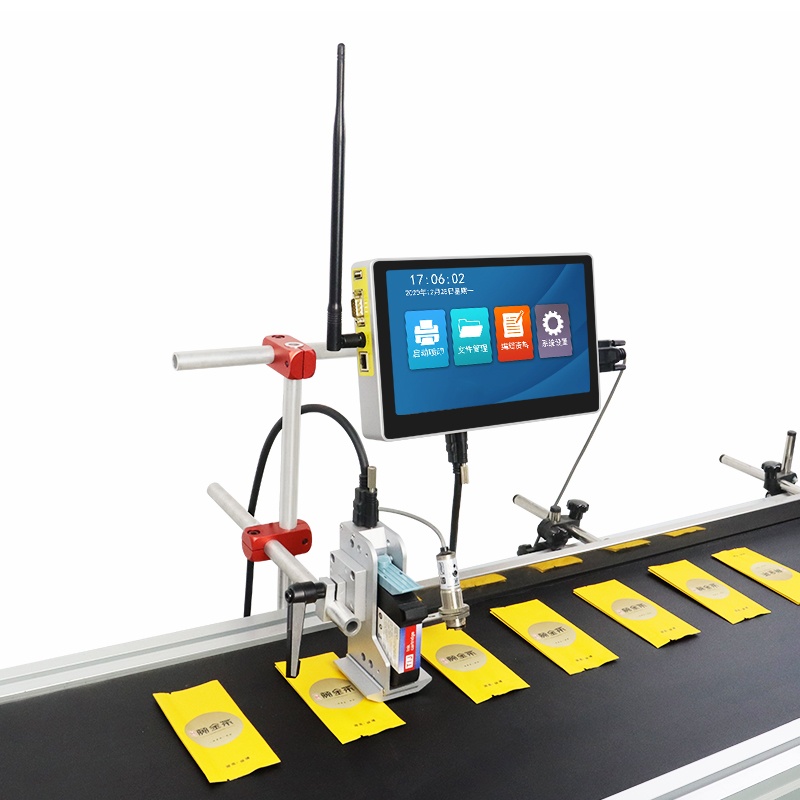
S100 Online inkjet printer
the larger panel option for shared lines:
- 600dpi HD print accuracy
- 10-inch touchscreen
- Weighs only 3 kg
Related Reading
- Before the quantity question, settle who is actually supplying you: barcode printer factory checks.
- Technology choice first, then terms: five technologies compared.
- For a higher rate or a paging line, see the K10 with paging machine and the S10-4 standalone.
Next Steps
- Send the two substrates you actually print and the label content each needs. We print both and return the result with the ink grade named, free of charge.
- Tell us which of the six answers above your current supplier cannot give in writing. That is normally the fastest way to see whether the quote is a program or a list.
- Start the conversation through the contact page and we reply within 24 hours.