Last Updated: 2026-10-06
A handheld coder order rarely fails on the machine. It fails on what stands behind it. A handheld inkjet printer manufacturer is worth shortlisting on what it can actually show: which cartridge grades it holds for your substrates, whether firmware carries your languages, how spares reach you after the first shipment, and who signs the batch record. Those are the questions that decide whether a pilot becomes a program, and most buyers only ask them after the second order goes wrong.
What a Handheld Inkjet Printer Manufacturer Owns
The word manufacturer gets used loosely. A trader buys finished units and resells them; a factory owns tooling, holds cartridge stock and controls firmware. The practical difference appears at the third order, when you need a specific ink chemistry or a language set that was never in the catalogue.
Ask early which parts of the machine the supplier controls itself. If the answer is only the outer shell, expect change requests to travel through a third party and take weeks.
Six Proofs a Handheld Inkjet Printer Manufacturer Can Show
Put each of these in writing before a first order is placed:
| Proof | What it settles | Where a reseller stalls |
|---|---|---|
| Cartridge chemistry on file | Which grades suit board, film, metal and pipe | Only general-purpose ink offered |
| Print height in writing | Whether large characters fit without splicing | A single height quoted for every build |
| Language and font set | Whether your market’s script is covered | Firmware updated only in bulk |
| Battery runtime measured | Whether a full shift runs on one charge | Runtime quoted from a datasheet |
| Batch record per unit | Traceability if a field unit fails | Serial number not tied to a build |
| Spares path and lead time | How fast a head or battery is replaced | Spares bundled into a new order |
Two of those six, print height and battery runtime, are the ones buyers usually get wrong, because both look generous on a specification sheet and modest in daily use.
The Handheld Range and What Each Build Suits
Handheld builds separate by print height and by weight, and the split matters more than the model name:
- Compact shells for short lot strings and quick repair codes, light enough to carry up a ladder.
- Large-character guns for shipping marks and pallet panels, where the block is measured in centimeters.
- Mid-size builds that trade some weight for a bigger screen and more stored jobs.
Three builds cover most first orders:
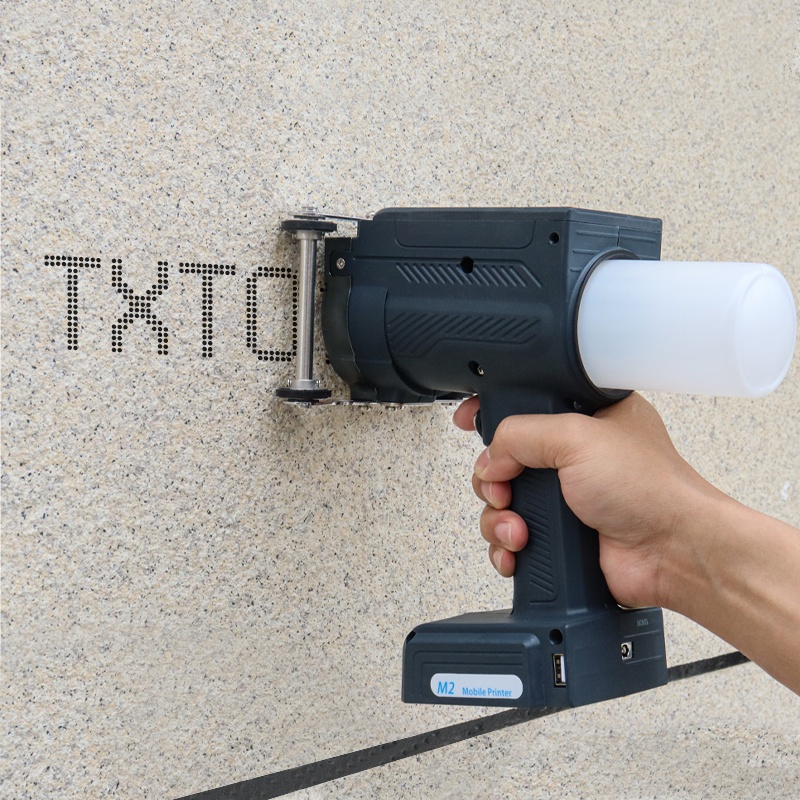
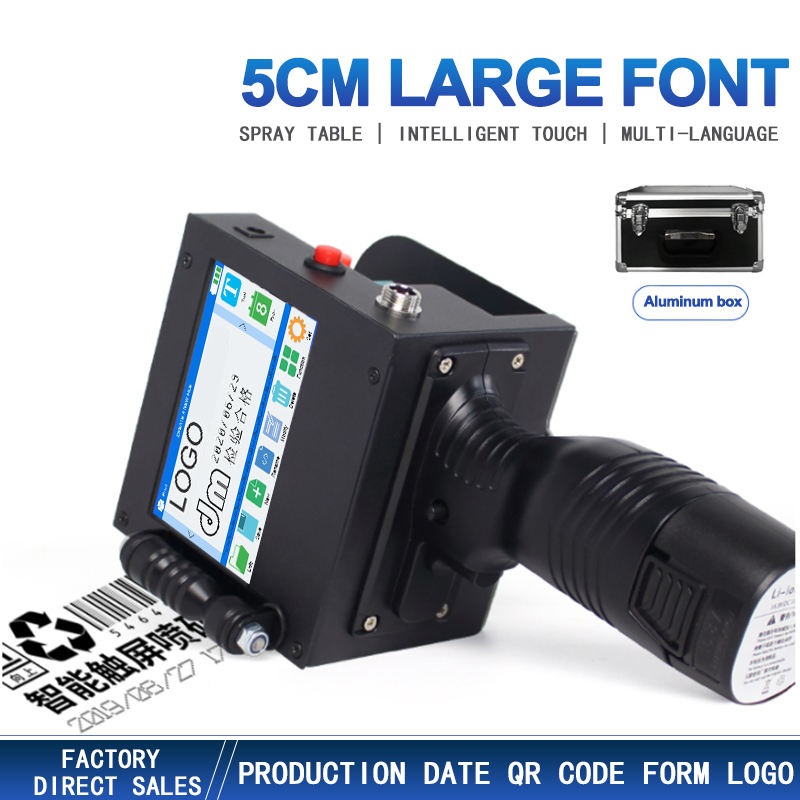
AL16 Large character inkjet printer
for shipping marks on pallets and woven bags:
- 25-60mm print height
- 3.5-inch Capacitive Touch Screen
- Weighs only 1.6 kg
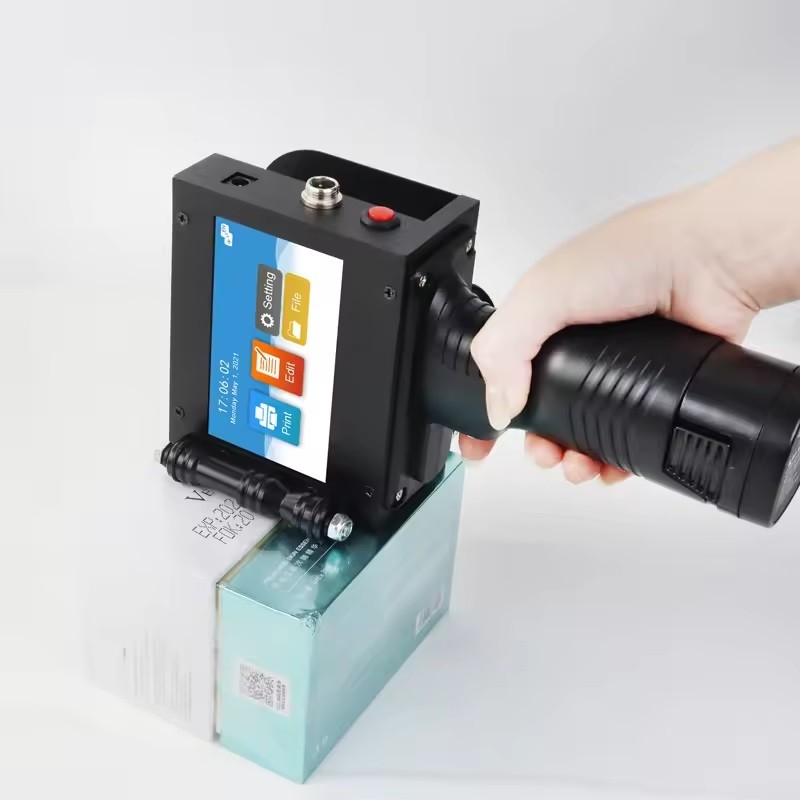
Y50 Handheld inkjet printer
for adjustable height on stacked codes:
- Prints up to 50m/min
- 600dpi HD Resolution print accuracy
- 5-48mm Adjustable print height
K3S Handheld inkjet printer
for an industrial shell that takes rough handling:
- 300-600dpi print accuracy
- 2-12.7mm print height
- 4.3-inch touch screen
Compact and mid-size options such as the MX3-G Handheld Inkjet Printer and the Y3 Handheld inkjet printer round out the range.
Records, Certification and the Spares Path
Certification is easy to claim and easy to check. Ask for the ISO 9001 quality management certificate number and the scope it covers, because a certificate held by a trading arm does not extend to the factory that builds the unit. A supplier’s claims about drop placement can also be checked against the published inkjet printing process, which is worth doing when two quotes differ sharply.
Then ask how consumables are supplied. A cartridge path that runs through a regional distributor is fine until a promotion ends, so it is worth writing the replenishment lead time into the agreement rather than discovering it at the third order.
Buyer Questions
- How do I tell a factory from a reseller?
- Ask which components the supplier builds and which it buys. A factory can name its cartridge chemistry and firmware revision; a reseller usually cannot.
- What is a fair minimum order?
- It depends on the build. Mixed models in one shipment are normal, but a first order below a few units rarely earns factory pricing.
- Does a bigger shell mean a better machine?
- No. Print height and weight decide what the unit suits. A heavier build is not automatically more accurate, only more comfortable on long runs.
Where SHICAI Sits in a Handheld Program
SHICAI builds handheld inkjet units for export markets and supplies the cartridge grades that go with them, in seven ink colors, across compact shells and large-character guns. Units are specified from the substrate and the code, not from a catalogue ceiling, and a pilot can be run on your own packaging before a program is agreed.
The factory also builds a mid-range handheld for buyers who need a larger screen and stored jobs on the same frame. Spares and support are organized for export markets, so a replacement head or battery follows the same route as the original order.
Next Steps for a First Order
- Read next: six checks to run on a handheld factory before you pay, which continues the verification step by step
- See the range: AL16 Large character inkjet printer for shipping marks
- Talk to the factory: send your substrate and code through our contact page. We answer within 24 hours with the cartridge grade and build that fit, no commitment.