Last Updated: 2026-09-21
A batch code printer is quoted by build, not by brand. Two machines carrying the same model name can differ by three print heads, which is the whole distance between marking a 12.7 mm line and covering 152.4 mm of carton in one pass. SHICAI builds the batch coding ladder factory-direct, from single-head 12.7 mm units to six-head 152.4 mm cells, so the first question we ask is what your line has to print, not which model you have already seen.
Why the Build Decides the Machine
Print height is the number that ends most supplier conversations early. A single print head covers 12.7 mm or 25.4 mm depending on the head fitted; a spliced two-head frame reaches 50.8 mm; a six-head frame reaches 152.4 mm. If the batch block on your pack is 40 mm tall, a single-head unit cannot do the job no matter how the quotation is worded, and no amount of software will close that gap.
Line speed closes the argument from the other side. Our online batch coders print at up to 120 m/min, and the continuous inkjet range in the same catalogue runs to 400 m/min. Throw distance on the online frames sits at 2 to 5 mm, so the head passes close to the product without touching it, which matters on curved or lightly filled packs.
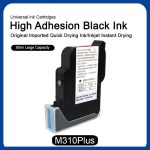
Ink then decides the last part of the specification. The same machine prints in seven ink colours, and the grade you need is set by the surface rather than by the model: porous carton board and film behave differently, and food contact packaging adds its own paperwork. A batch coding machine manufacturer who quotes before asking about the surface is quoting a guess.
Four Builds on One Ladder
| Build | Print height | Typical job | Where it fits |
|---|---|---|---|
| Single head, 12.7 mm | 2 to 12.7 mm | One to three lines of batch text | Carton and label lines with a narrow strip to mark |
| Single head, 25.4 mm | 2 to 25.4 mm | Batch block plus logo | Conveyor lines marking one panel face |
| Two heads, spliced | 2 to 50.8 mm | Two-line batch block, wide face | Pack sizes that need a taller mark in one pass |
| Six heads, spliced | 2 to 152.4 mm | Full-width batch panel | High volume lines replacing a stencil or pre-printed panel |
Reading the ladder in order is the fastest way to a usable specification. The build sets the height, the height sets the frame width, and the frame width decides how the head sits over the conveyor. Everything else, including the price step between one build and the next, follows from that first choice.
The Builds We Supply
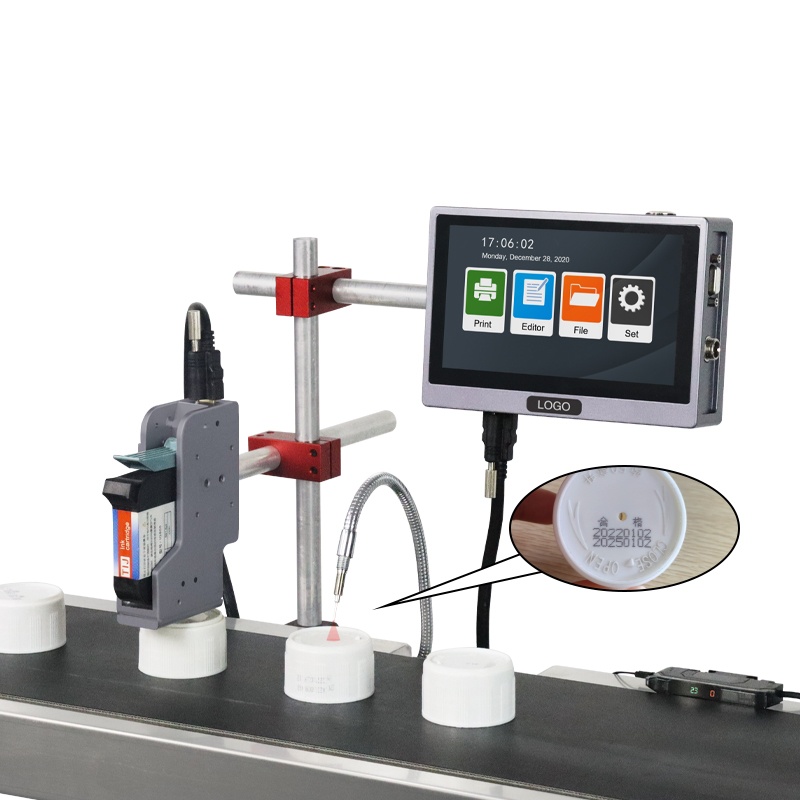
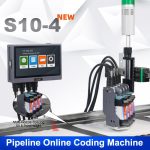
K11 Online inkjet printer (Standard Edition)
the narrow-strip build:
- Prints up to 120 m/min
- 600dpi HD print accuracy
- 2-12.7mm print height
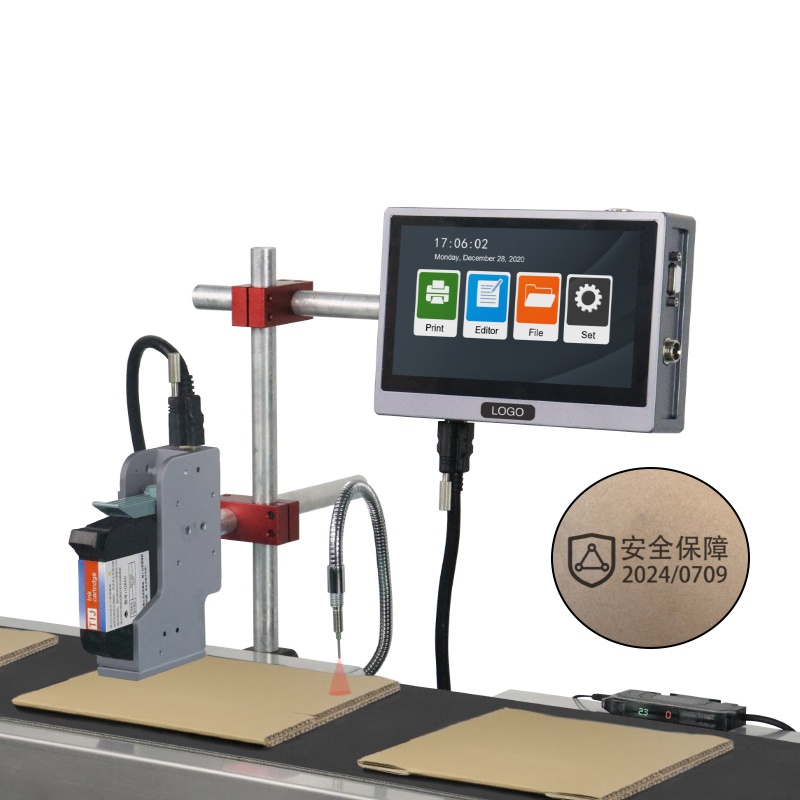
K20 online inkjet printer
when the batch block has to grow:
- Prints up to 120m/min
- 600dpi HD print accuracy
- 2-25.4mm print height
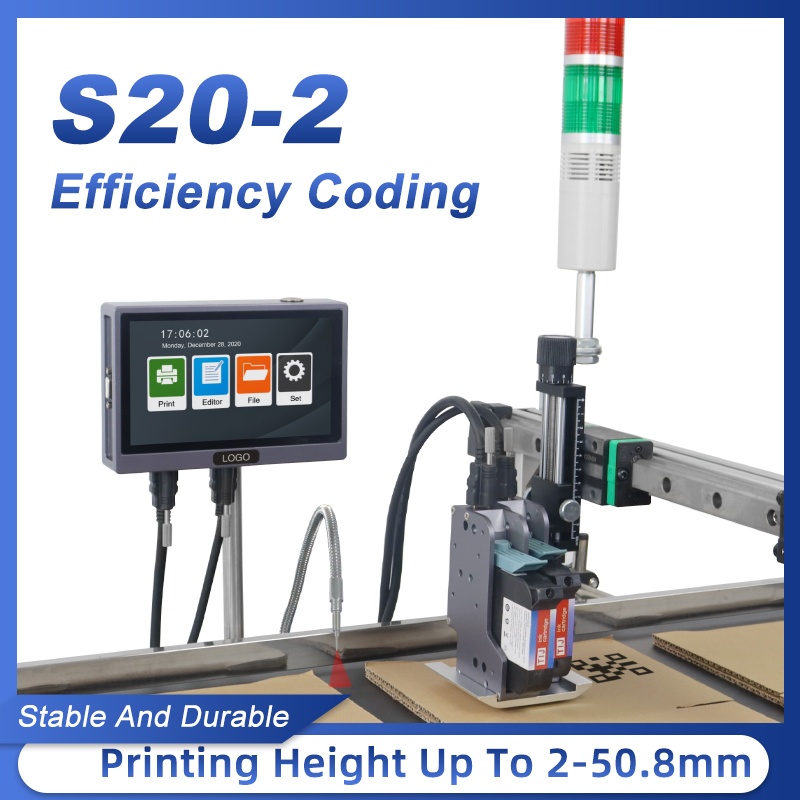
S20-2 online inkjet printer (splicing)
the two-head step:
- Prints up to 120m/min
- 2-50.8mm print height
- 7-Inch Touch Screen
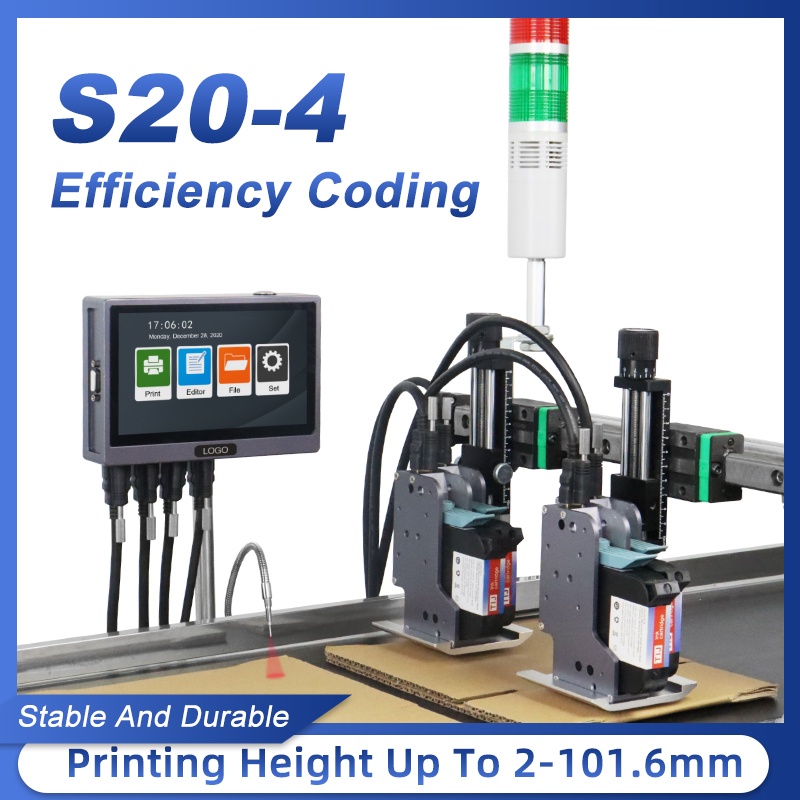
S20-6 online inkjet printer (splicing)
the full-panel build:
- Prints up to 120m/min
- 600dpi HD print accuracy
- 2-152.4mm print height
Two further frames sit either side of this ladder: the L10 online inkjet printer, which covers 2 to 25.4 mm with a 7-inch capacitive screen, and the K10 online inkjet printer, which pairs a 12.7 mm head with a paging machine for separated, flat-fed packs.
Five Numbers to Bring
Suppliers who quote quickly are not guessing, they are answering five questions. Bring these and the build selects itself. Line speed in metres per minute sets the technology family. Print height in millimetres sets the head count. Throw distance tells us whether the head can sit close or has to stand off the product. Substrate decides the ink grade, not the machine. Code content tells us whether a static batch string is enough or whether dates, shift codes and serial numbers have to change on the fly. A batch code printer specified from those five answers arrives configured; one specified from a model number usually arrives with a retrofit quotation attached.
Vetting the Manufacturer
Once the build is agreed, the manufacturer is what you are really buying. Quality management under ISO 9001 is the baseline, and it should come with traceable inspection records rather than a certificate image. Ask for a sample run on your own pack, not on a demonstration board, because the mark is the product. Ask which ink grades carry food contact documentation where the pack touches food, and ask for the spares list and its lead time in writing, since a coder that stops for a sensor is a stopped line.
The same questions appear in our own buying notes: the six tests we would run on any coding machine manufacturer are the six we expect to be asked, and the verification method is set out in the five barcode printer manufacturer checks. For the coding standard behind the batch and lot marks themselves, see the GS1 application identifiers for barcodes. If you want the cost side of the same ladder, it is worked through in the batch coding machine price bands.
Buyer Questions
- What is a batch code printer used for?
- It marks the production batch identifier on packs, cartons and labels, usually together with a date. On an online frame the mark is applied while the pack moves, at up to 120 m/min on our spliced builds, so the code travels with the goods rather than being applied later by hand.
- How many print heads does a batch coding machine need?
- Let the print height decide. One head covers 12.7 mm or 25.4 mm, two spliced heads reach 50.8 mm, and six reach 152.4 mm. If your batch block is taller than the head covers, the code prints in two passes or not at all, so head count is a specification input, not an upgrade.
- Can the same machine print on cartons and on film?
- Usually the frame, not the machine, carries over, but the ink grade changes with the surface. Porous carton board and non-porous film need different grades, and food contact packs need the matching documentation. Send the actual pack and the grade is confirmed on a sample rather than assumed.
Request a Quote
Call +86 17625427465, email kuangcy@126.com, or send the requirement online. Send the five numbers: line speed, print height, throw distance, substrate and code content. A SHICAI engineer replies within 24 hours with a build, a configuration and a quotation; marking on your own samples is free and commits you to nothing.